
In today’s fast-paced digital landscape, where data is generated at an unprecedented rate, traditional cloud computing models face challenges in delivering real-time, low-latency services. This is where edge computing comes into play. Edge computing is revolutionizing the way we process and analyze data by bringing the power of the cloud closer to the source. In this article, we will delve into the fascinating world of edge computing, exploring its definition, benefits, and real-world examples.
What is Edge Computing?
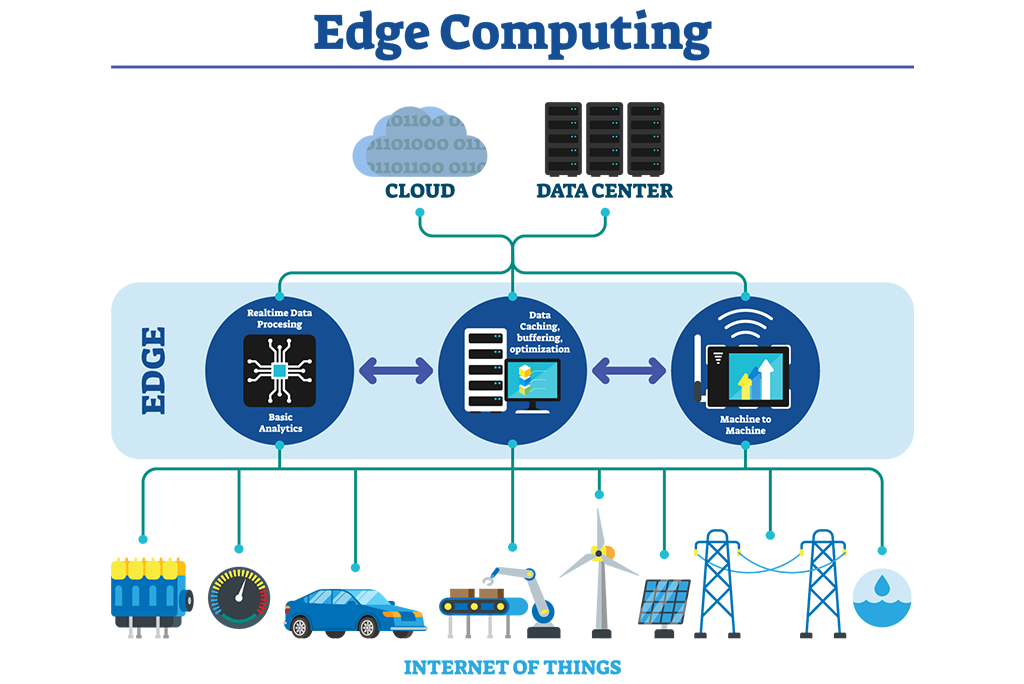
Edge Computing – Real Life Scenarios
Imagine a world where data is processed and analyzed right where it is generated, rather than being sent to a distant cloud server. That’s the essence of edge computing. In simple terms, edge computing is a decentralized computing model that enables data processing and analysis at the edge of the network, closer to the source of data generation.
Traditionally, data would be sent to a centralized cloud server for processing, leading to latency issues and potential bottlenecks. With edge computing, devices such as sensors, IoT devices, and smartphones have the ability to process and analyze data locally, reducing the need for data transfer to the cloud and enabling real-time decision-making.
Benefits of Edge Computing:
- Reduced Latency: One of the primary advantages of edge computing is its ability to significantly reduce latency. By processing data locally, edge devices can provide real-time responses, making it ideal for applications that require immediate action, such as autonomous vehicles or industrial automation.
- Bandwidth Optimization: Edge computing helps optimize bandwidth usage by reducing the amount of data that needs to be transferred to the cloud. Instead of sending large volumes of raw data, edge devices can perform preliminary data analysis and send only relevant insights or aggregated data to the cloud. This not only saves bandwidth but also reduces costs associated with data transfer and storage.
- Enhanced Security and Privacy: Edge computing offers improved security and privacy by keeping sensitive data closer to its source. Since data is processed locally, there is less reliance on transmitting sensitive information over the network, reducing the risk of data breaches or unauthorized access.
- Offline Capabilities: Edge computing enables devices to operate even when they are disconnected from the cloud. This is particularly beneficial in environments with limited or unreliable network connectivity. Edge devices can continue to process and analyze data locally, ensuring uninterrupted functionality and enabling critical operations to continue without dependency on the cloud.
Real-World Examples:
- Smart Cities: Edge computing plays a vital role in the development of smart cities. By deploying edge devices throughout the city, data can be collected and analyzed in real-time to optimize traffic management, energy consumption, and public safety. For example, intelligent traffic signals can use edge computing to analyze traffic patterns and adjust signal timings accordingly, reducing congestion and improving overall efficiency.
- Industrial IoT: Edge computing is transforming the industrial landscape by enabling real-time monitoring and control of manufacturing processes. In an industrial IoT environment, edge devices can collect sensor data, analyze it locally, and trigger immediate actions to optimize production efficiency and prevent equipment failures. This reduces downtime, enhances productivity, and saves costs associated with manual intervention or delays caused by cloud-based processing.
- Retail and Customer Experience: Edge computing is revolutionizing the retail industry by enabling personalized and immersive customer experiences. By leveraging edge devices, retailers can analyze customer behavior in real-time, offer personalized recommendations, and deliver targeted advertisements. For example, smart mirrors in clothing stores can use edge computing to provide virtual try-on experiences, allowing customers to see how different outfits look without relying on cloud-based image processing.
Conclusion:
Edge computing is transforming the way we process and analyze data, bringing the power of the cloud closer to the source. With reduced latency, optimized bandwidth usage, enhanced security, and offline capabilities, edge computing opens up new possibilities for real-time decision-making and improved user experiences. From smart cities to industrial IoT and retail, edge computing is revolutionizing various industries, making our lives more connected and efficient. Embrace the edge and unlock the true potential of the digital world!
Pingback: Edge Computing vs Traditional Cloud: Unveiling the Impact on Application Performance - Ruturaj Patki
Pingback: Understanding the basics of Cloud Computing - Ruturaj Patki